
Why You’re Not Investing Yet (Even Though You Work Hard) – A Guide for Women in Kenya
 RI_admin
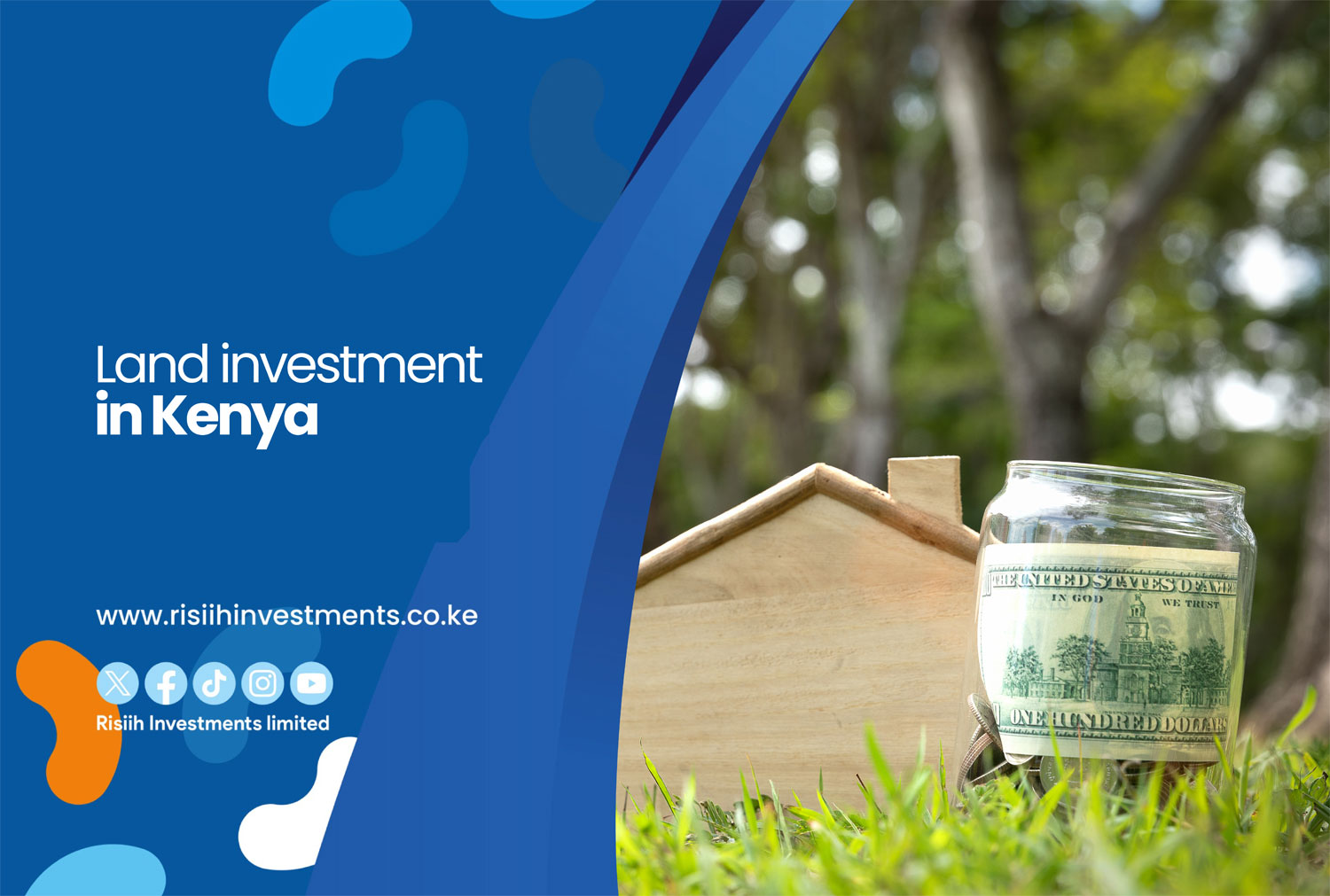

If you’re a hardworking woman in Kenya, chances are your money is already doing a lot.
You pay bills.
You support family.
You contribute to groups.
You show up when needed.
From the outside, it looks like you’re financially responsible – and you are.
But there’s one question that often goes unasked:
Why haven’t you invested in yourself yet?
This is not about lack of discipline or income. In many cases, it’s about priorities, timing, and access to the right information.
Many women are not “bad with money.”
In fact, they are highly dependable financially. The challenge is that most of their money goes toward:
These are all valid and important.
However, over time, they create a pattern where money is constantly spent, but not converted into assets.
And without assets, long-term financial security becomes harder to achieve.
If you’ve been thinking about investing but haven’t started, you’re not alone. Common reasons include:
Many people believe investing requires surplus income. In reality, most investors start by creating room within what they already earn.
There is a lot of noise around investment, especially land. Without clear, simple guidance, it’s easy to postpone the decision.
Women are often expected to support others before themselves. Over time, personal goals get pushed further down the list.
Concerns about fraud, location, or affordability can prevent action.
For beginners, land remains one of the most accessible and understandable forms of investment.
Here’s why:
Unlike some investments that feel complex or risky, land is relatively straightforward when done correctly.
The biggest difference between those who invest and those who don’t is not income.
It’s decision-making.
At some point, investors choose to:
This shift is what turns financial effort into financial growth.
Consider this scenario:
A woman earning a steady income supports her family and meets all her obligations. At the end of each month, little is left.
Instead of waiting for a large amount, she restructures her spending and commits to a manageable monthly investment plan.
Over time:
The difference was not a salary increase.
It was a decision to start.
If you’ve been postponing investing, here are practical steps:
Owning assets changes your financial position.
It gives you:
For many women in Kenya, this is becoming an important step toward long-term independence.
Working hard is important.
Supporting others is valuable.
But long-term financial security requires more than responsibility—it requires ownership.
If you’ve been building everything around you, it may be time to start building something for yourself.
At Risiih Investments, the focus is simple:
Making land ownership accessible for people who are ready to start—especially those who feel like they’ve been putting themselves last.
Whether you’re just exploring or ready to take a step, you can:
Start by having a conversation.
No pressure. No rush. Just clarity.
Because the goal isn’t just to invest.
It’s to finally build something that is yours.
Across Kenya, conversations around money are gradually shifting.
For many years, financial success has been measured by income, career growth, and the ability to meet daily responsibilities. But increasingly, attention is turning toward a more enduring question:
What defines long-term financial security?
More individuals and families are beginning to look beyond immediate needs and consider how wealth can be built, preserved, and transferred across generations. At the center of this shift is one of the country’s oldest and most trusted assets—land.
Generational wealth refers to assets that are passed down from one generation to the next, providing financial continuity and stability over time.
In Kenya, this concept is becoming more relevant as economic pressures increase and the cost of living continues to rise. Without long-term assets, each generation is often forced to rebuild from the beginning—earning, spending, and starting over.
Assets such as land, however, create a different trajectory. They offer a foundation that future generations can build upon rather than replace.
Land has historically held cultural, economic, and social significance in Kenya. Today, it continues to play a critical role in wealth creation for several reasons:
Land, particularly in developing and peri-urban areas, has shown consistent growth in value over time. As infrastructure expands and urban centers grow, demand for land increases.
Unlike some financial instruments, land is a physical asset. When properly documented, it provides a clear and verifiable form of ownership.
Land can be legally transferred to family members, making it a practical tool for inheritance and succession planning.
Land offers multiple future uses—it can be developed, leased, sold, or held as a long-term store of value.
A notable trend in Kenya’s investment landscape is the gradual shift from income-focused financial planning to asset-based wealth building.
Traditionally, financial effort has been directed toward:
While these remain important, they do not necessarily create lasting wealth.
By contrast, asset acquisition—particularly land—represents a move toward long-term financial positioning. It allows individuals to convert income into something that can grow, endure, and be passed on.
Despite increased awareness, many individuals delay investing in land due to factors such as:
However, delaying investment often comes at a cost. As land prices continue to rise in key growth areas, entry points become less accessible over time.
Early and informed investment, even on a small scale, can significantly influence long-term outcomes.
Creating generational wealth does not necessarily require large, one-time investments. Instead, it often involves consistent, intentional decisions over time.
Key considerations include:
Even a single parcel of land, acquired strategically, can become a meaningful asset for future generations.
As interest in land investment grows, the need for credible guidance has become increasingly important.
Organizations such as Risiih Investments we are part of a broader ecosystem working to make land ownership more accessible and transparent. By providing structured payment options, verified properties, and investment guidance, such firms are helping individuals transition from intention to action.
This type of support is particularly important for first-time investors, who may require clarity and confidence before making long-term financial commitments.
As Kenya continues to evolve economically, the conversation around wealth is expanding beyond income to include ownership, sustainability, and legacy.
Land remains one of the most practical and accessible ways to participate in this shift.
In the long term, the value of financial effort may not only be measured by what it provides today—but by what it makes possible tomorrow.
For many, the question is no longer whether to invest, but when—and how—to begin building something that will endure.
For individuals considering land as part of their long-term financial strategy, the first step is access to clear, reliable information.
Risiih Investments provides an opportunity to:
The decision to invest in land is ultimately a decision about the future.
And in many cases, the best time to begin is before the need becomes urgent.
